


Pope Leo XIV met Conference of Latin Bishops of the Arab Regions (CELRA)
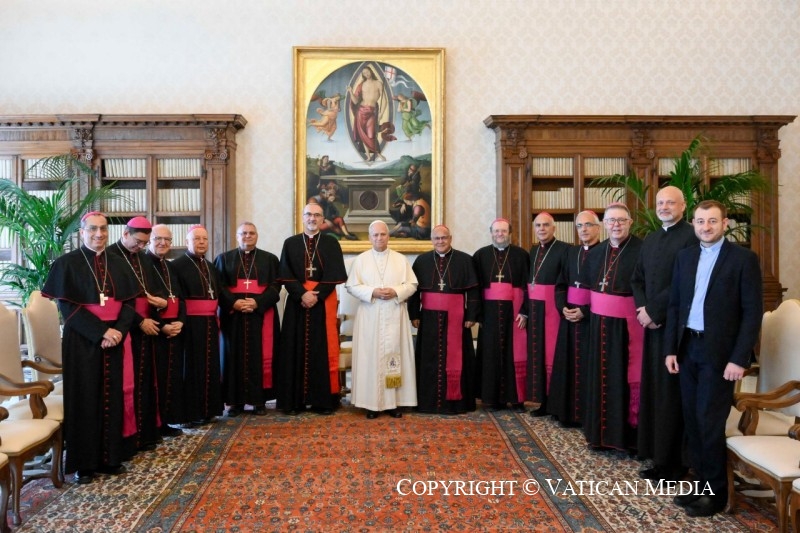
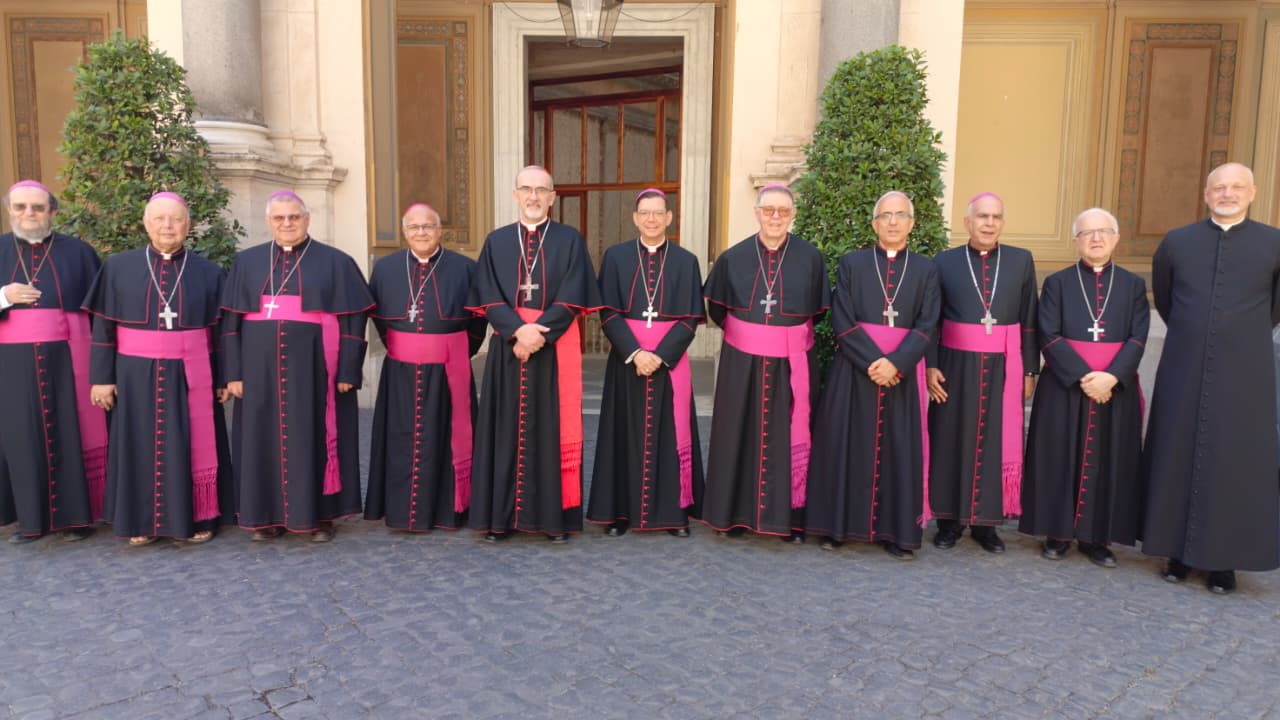
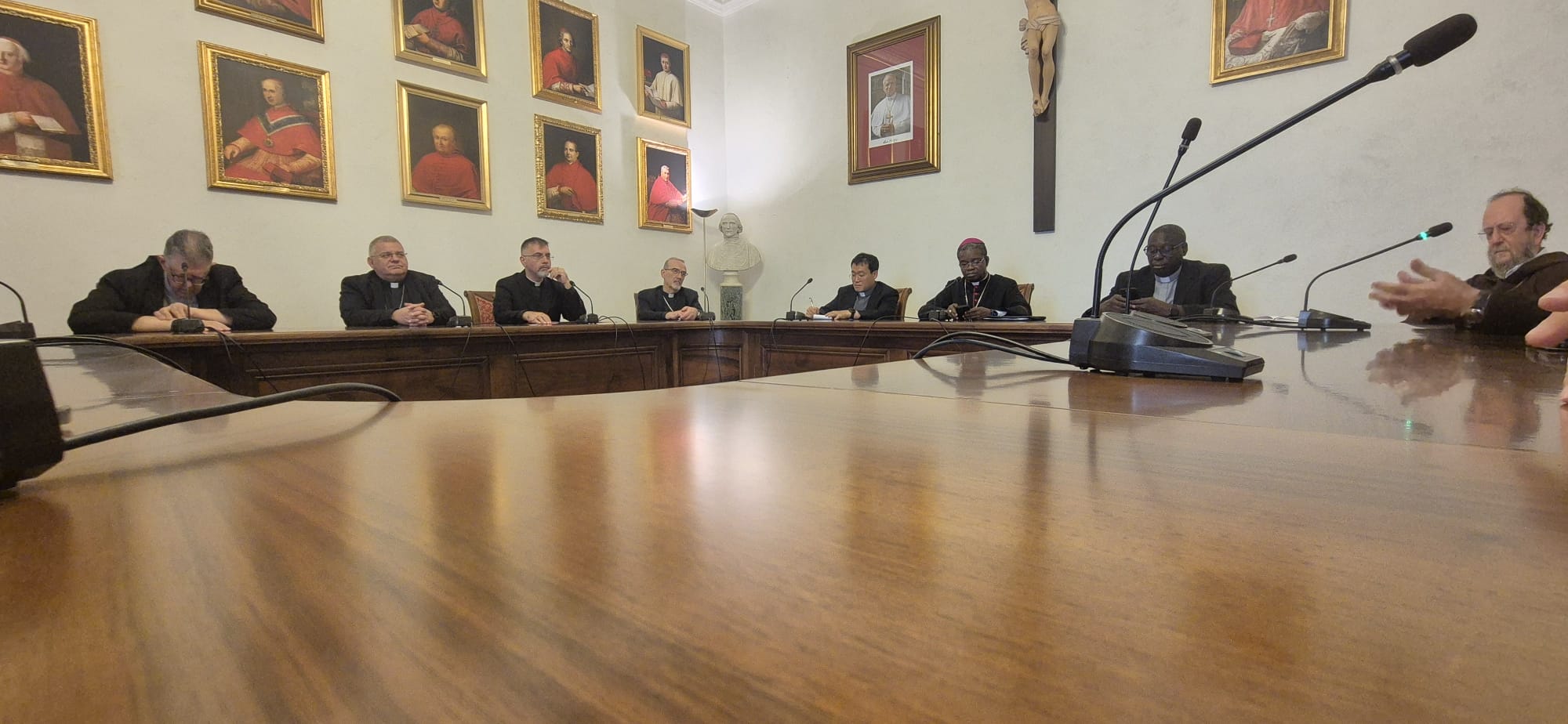
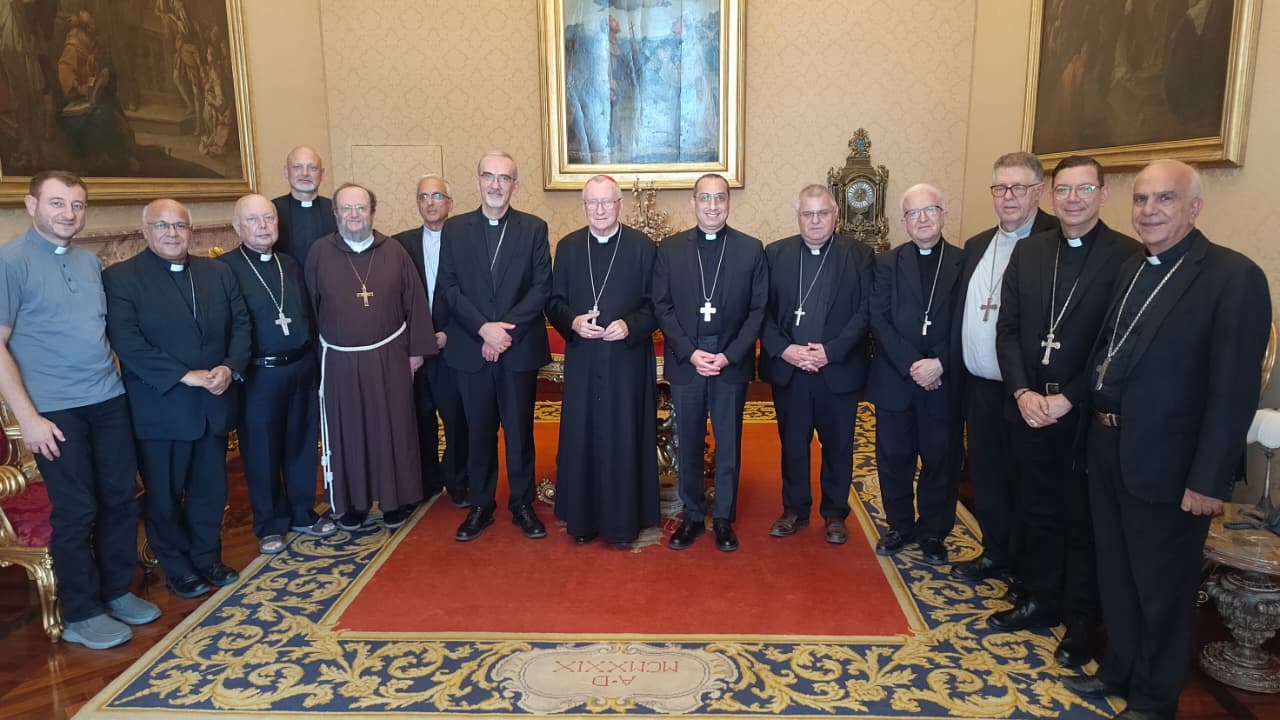
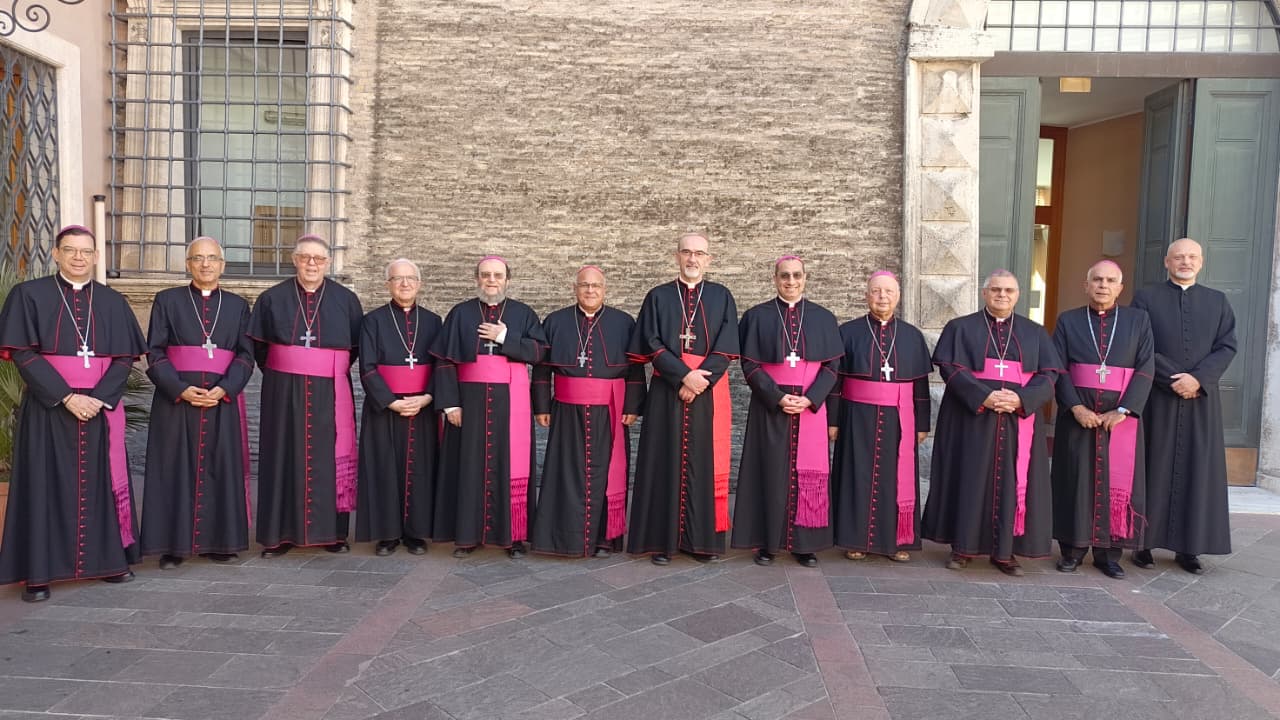
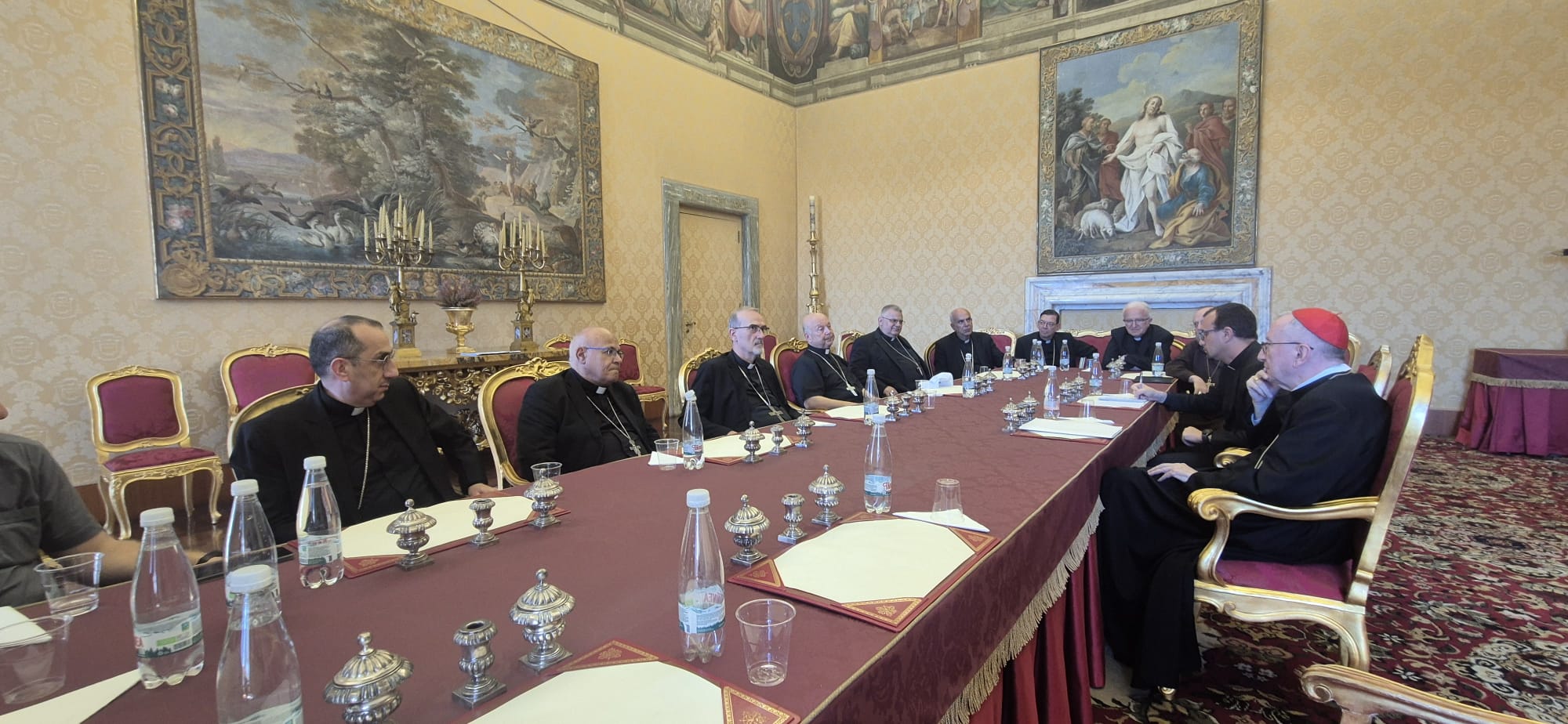
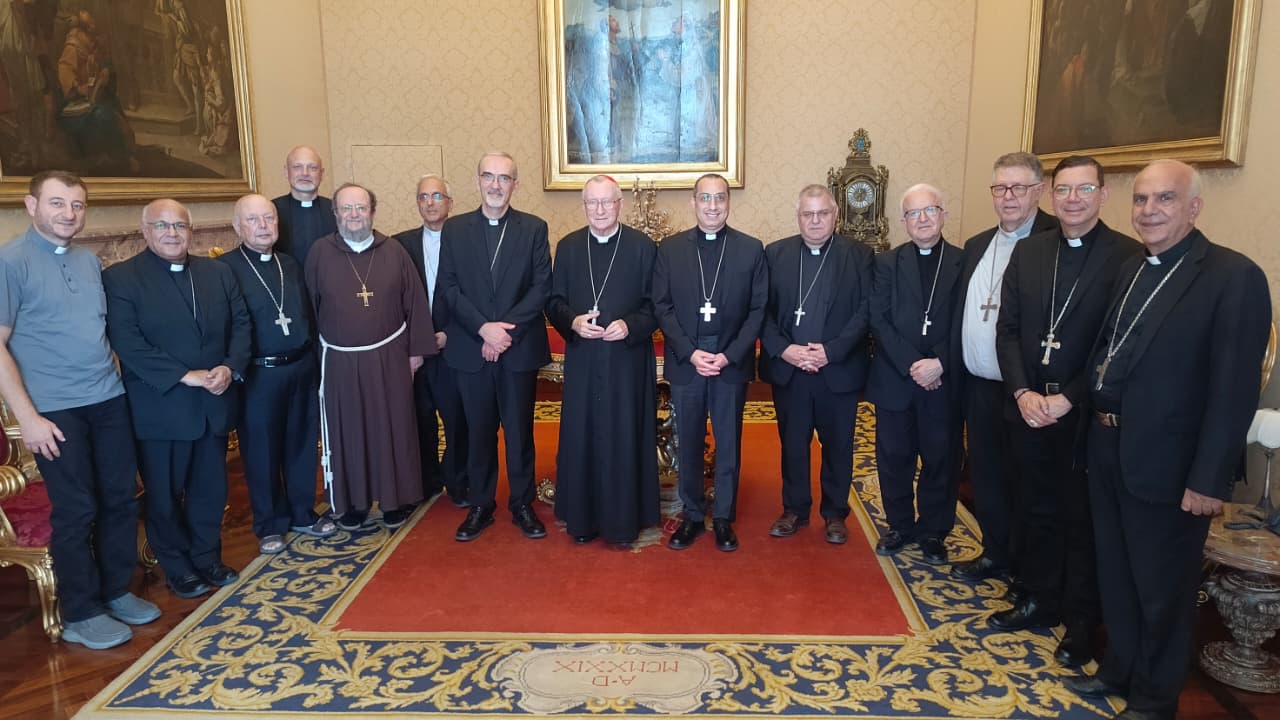
Fr. Piotr Zelazko, Patriarchal Vicar for the Hebrew Speaking Catholics in Israel, took part in the meeting, which offered the bishops an opportunity to share the life and challenges of their local Churches, reflect together on pastoral priorities, and strengthen communion among them.
During the meeting, the bishops also met with Cardinal Pietro Parolin, Vatican Secretary of State; Cardinal Claudio Gugerotti, Prefect of the Dicastery for the Eastern Churches; and Archbishop Fortunatus Nwachukwu, Secretary of the Section for First Evangelization and New Particular Churches of the Dicastery for Evangelization.
Several themes were addressed in the discussions, including the presence of the Latin Church in the Middle East, the Synod, and liturgical matters. A simple ceremony was also held for the installation of Fr. Pierre Paul as a Canon of the Holy Sepulchre.
On the final day, the bishops were received by Pope Leo XIV in a private audience. The Pope underlined the importance of the Church’s presence in contexts often marked by political, social, and religious tensions.
“When communities become more fragile and many families are forced to emigrate, your ministry becomes even more necessary. Always be pastors close to your people,” Pope Leo said.
He also recalled the witness of the many martyrs from these regions, many of them unknown, including “the Missionaries of Charity killed in Yemen while serving the most vulnerable. (...) Their fidelity to the Gospel remains a light for your communities and an invitation not to give in either to fear or to resignation.”
Addressing the bishops, the Pope offered a clear indication of how to live the mission of the Church in these regions and in the present time.
“Do not be afraid of your smallness. The fruitfulness of the Church is not measured by numbers, structures, or resources, but by fidelity to the Gospel. (...) In the heart of societies marked by conflicts and divisions, may your communities show that it is possible to live, serve, and hope together. (...) In the midst of emergencies, do not lose sight of what is essential to the mission of the Church: the proclamation of the Gospel, prayer, the Sacraments, and Christian formation.”
Pope Leo also invited the bishops to care for families and young people, to accompany migrants, to defend the dignity of every person, and to preserve and strengthen communion among the Churches and different rites. He also encouraged dialogue with other Christian communities, with Muslims, and with other religious traditions.
“Dear Brothers, continue your journey with confidence. You are not alone. The universal Church looks upon your communities with affection and recognizes in their perseverance, in the faith lived amid trial, and in the courage of service a precious witness for the whole Church.”
For the Church in Southern Arabia, the meeting was a sign of communion with the wider Church in the Arab regions and with the universal Church. It also renewed the call to live the mission of the Gospel with confidence, closeness, and hope.
The entire speech of Pope Leo XIV:
Your Eminence,
Venerable Brothers in the Episcopate,
Dear friends assembled here,
It is with great joy that I welcome you, the pastors who together form the Conference of the Latin Bishops in the Arab Regions. Through you, I wish to convey my greetings to the priests, the consecrated persons and all the faithful of your communities. In the words of the Apostle Paul, I wish you all: “Grace … and peace from God” (Rom 1:7).
Your Conference encompasses Churches present in a vast and complex reality, operating in contexts often marked by political, social and religious tensions.
Your Churches have witnessed the martyrdom of their members: let us think of Sister Leonella Sgorbati, a Consolata Missionary; of the Missionaries of Charity killed in Yemen whilst serving the most vulnerable; and of the many priests, men and women religious and members of the faithful who have given their lives in Iraq, Syria and other lands marked by violence. Their names may not be known to the world, but they are well known to God. Their fidelity to the Gospel remains a light for your communities and a call not to give in to either fear or resignation.
When communities become more vulnerable and many families are forced to emigrate, your ministry becomes even more necessary. Always be pastors close to your people, capable of sharing in their sufferings, of listening, supporting and consoling, so that through your presence, God’s closeness can be made visible.
Do not be afraid of your smallness. The fruitfulness of the Church is not measured in numbers, structures or resources, but in fidelity to the Gospel. A small community, if rooted in Christ, can be a valuable presence: not because it seeks power, but because it serves; not because it imposes itself, but because it bears witness; not because it responds to violence with more violence, but because it counters force with charity.
In the heart of societies marked by conflict and division, may your communities show that it is possible to live, serve and hope together. Through parishes, schools, hospitals and works of charity, you bring the Gospel to life by welcoming, listening to and supporting those in need. Support, in particular, the religious congregations that continue generously to stand by the poor and the most vulnerable.
In the midst of emergencies, do not lose sight of the essence of the Church’s mission: the proclamation of the Gospel, prayer, the Sacraments and Christian formation. A Church capable of serving must be first and foremost a Church who prays, listens to the Word and lives the Sacraments.
Take particular care of families and young people. May families, even when overwhelmed by difficulties and uncertainties, remain the primary place where faith is received and passed on, with the support of the community. May young people, often torn between high aspirations and an uncertain future, find in the Church a home that welcomes them, listens to them and helps them to recognize the value of their lives. May catechesis guide children, young people and adults towards a living encounter with Christ, so that the faith may be known, lived and passed on from generation to generation.
Also take care of migrants, of whom there are many, especially in the Gulf States. Many live far from their loved ones and experience loneliness and precariousness. May your communities be homes where nobody feels like a stranger. Defend the dignity of every person and recognize in every migrant a brother and a sister: in this way, charity becomes witness to the Gospel and a school of brotherhood.
Safeguard and strengthen the communion between the Church and the different rites. The diversity of Christian traditions is a treasure to be lived out in unity. May this communion give rise to sincere dialogue with other Christian communities, with Muslims and with the various religious traditions. Dialogue does not mean renouncing one’s own identity, but living it out without fear of encounter. Where war has sown mistrust, every gesture of esteem, collaboration and respect can become a step towards reconciliation and peace.
Your mission does not consist simply of preserving a Christian presence, but of making Christ present always: proclaiming Him in the Word, celebrating Him in the Sacraments, encountering Him in prayer and recognizing Him in the poor, the suffering, migrants and in every person placed under your care.
You are not required to solve all the problems of your lands, but to be faithful to the Gospel and to the people entrusted to you. Do not seek success or recognition above all else: seek fidelity. Be a voice for truth, justice and peace; men of prayer, shepherds close to your people, artisans of reconciliation and witnesses to mercy.
Do not be afraid to sow without immediately seeing the fruits. The sowing is yours; the growth is God’s. No act carried out in the name of Christ is in vain: a prayer, a word of consolation, a family supported, a child brought up in the faith, or a poor person welcomed are the seeds of a new future.
Dear Brothers, continue on your journey with confidence. You are not alone. The universal Church looks upon your communities with affection and recognizes in their perseverance, in the faith lived out in the face of adversity, and in the courage of their service, a precious witness for the whole Church.
I entrust you, your Churches and all the peoples of your lands to the protection of the Virgin Mary, Mother of the Church and Queen of Peace. May she accompany families, young people, migrants, the sick and the poor; may she sustain those who suffer and enlighten those in positions of political and social responsibility, so that they may seek the common good and open paths to reconciliation.
Upon you and upon all the faithful entrusted to your care, I wholeheartedly invoke the Lord’s abundant blessings. May He preserve you in the faith, make you steadfast in hope and generous in charity, and grant your communities and all the peoples of your lands the precious gift of peace.
__________________________
Holy See Press Office Bulletin, 3 September 2026
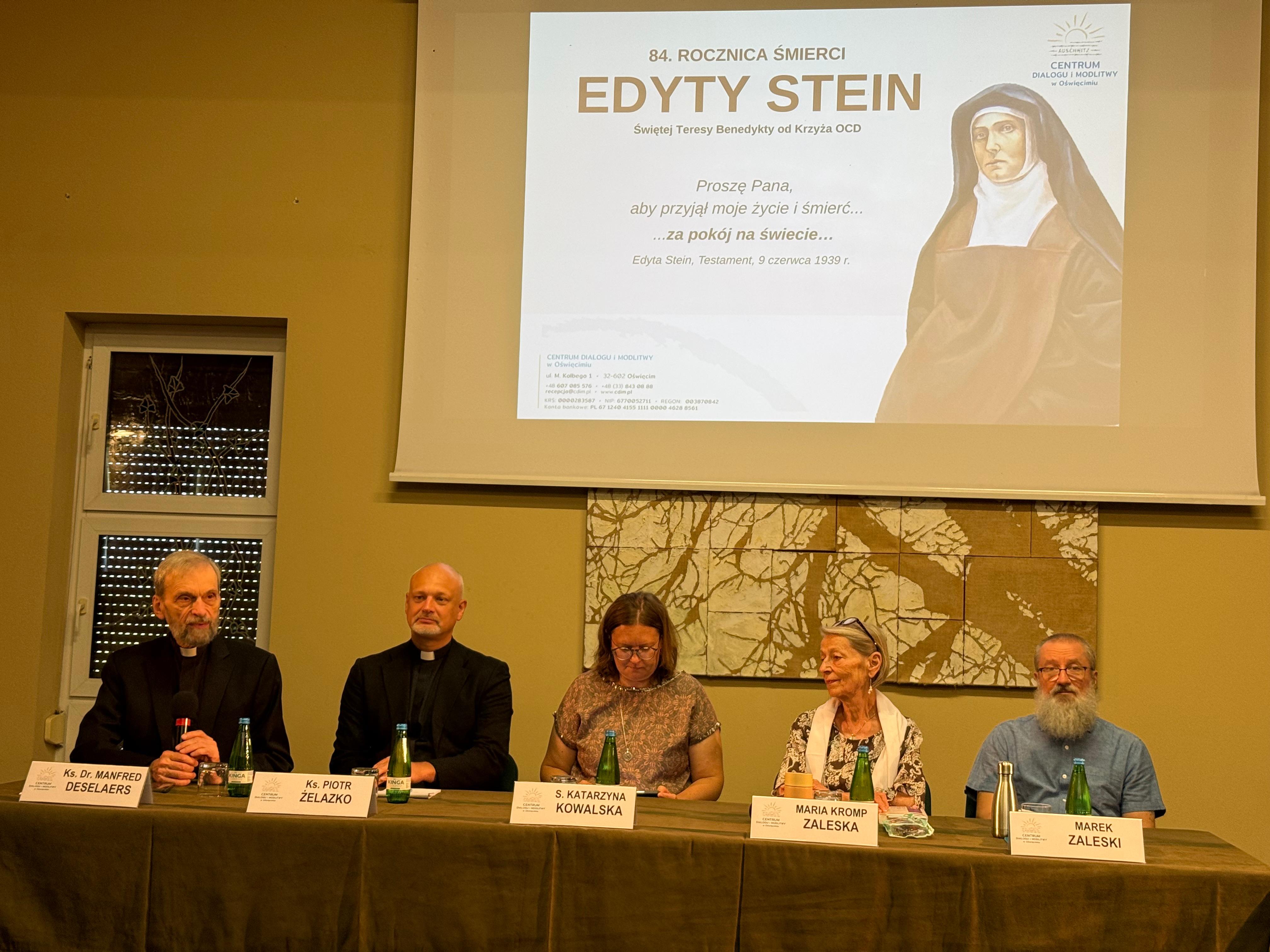 Conference at the Centre for Dialogue and Prayer in Oświęcim
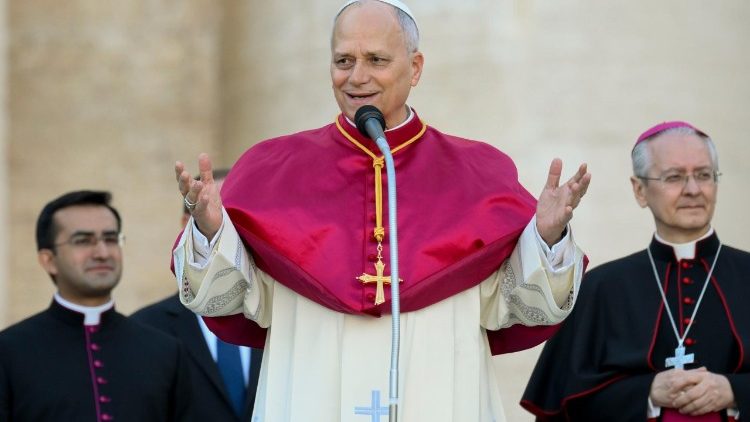 Pope Leo at Prayer Vigil for Peace: Stop planning arms and death
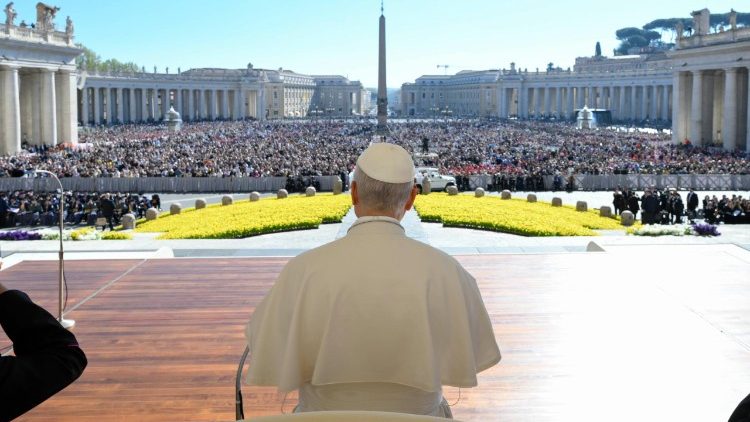 Pope at Audience: Holiness Is Not a Privilege For the Few
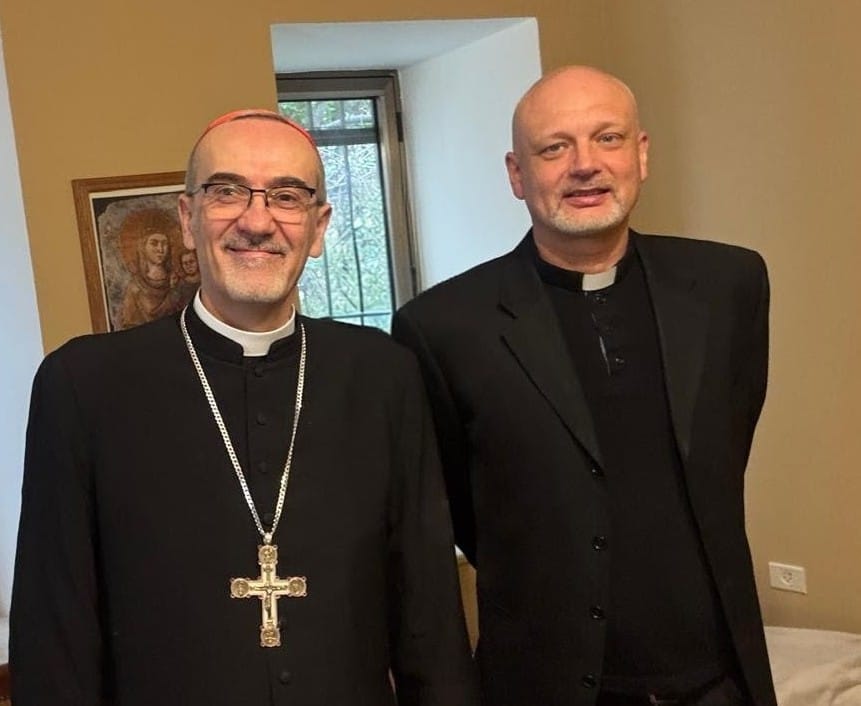 Cardinal Pizzaballa: Abusing God’s Name for War is the Gravest Sin
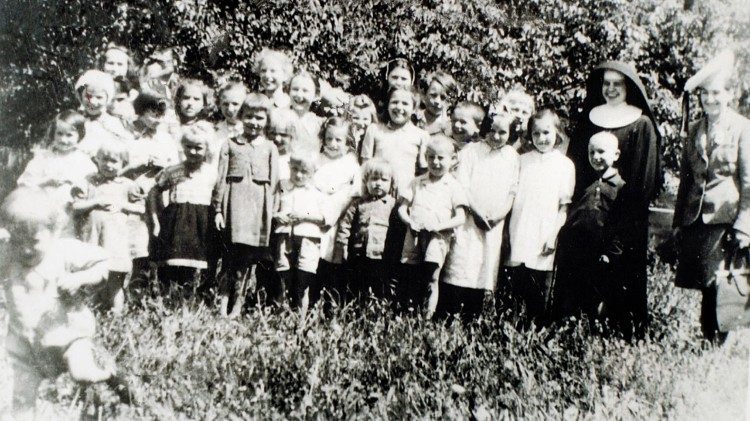 Commemorating Thousands of Polish Religious Sisters who Rescued Jews During WW2
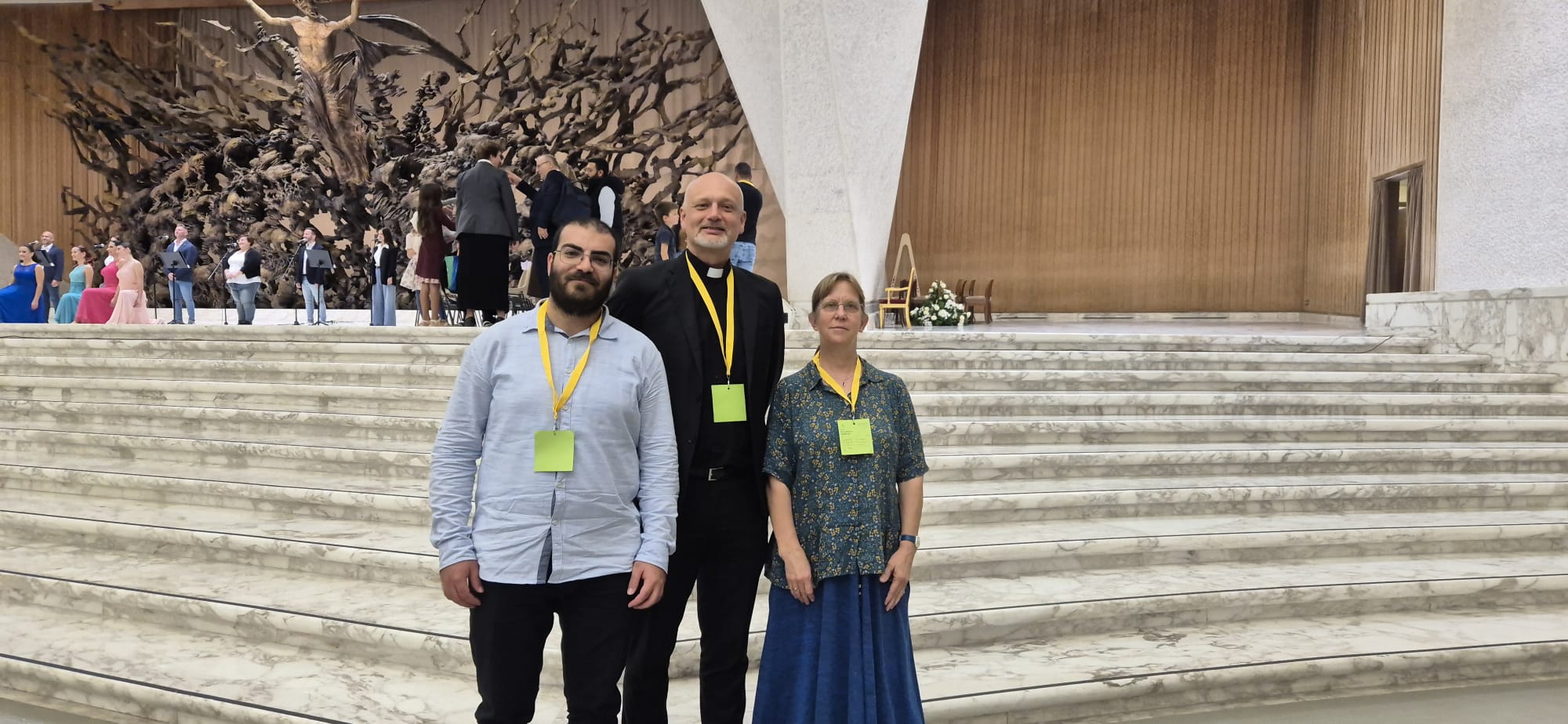 Jubilee of Synodal Teams
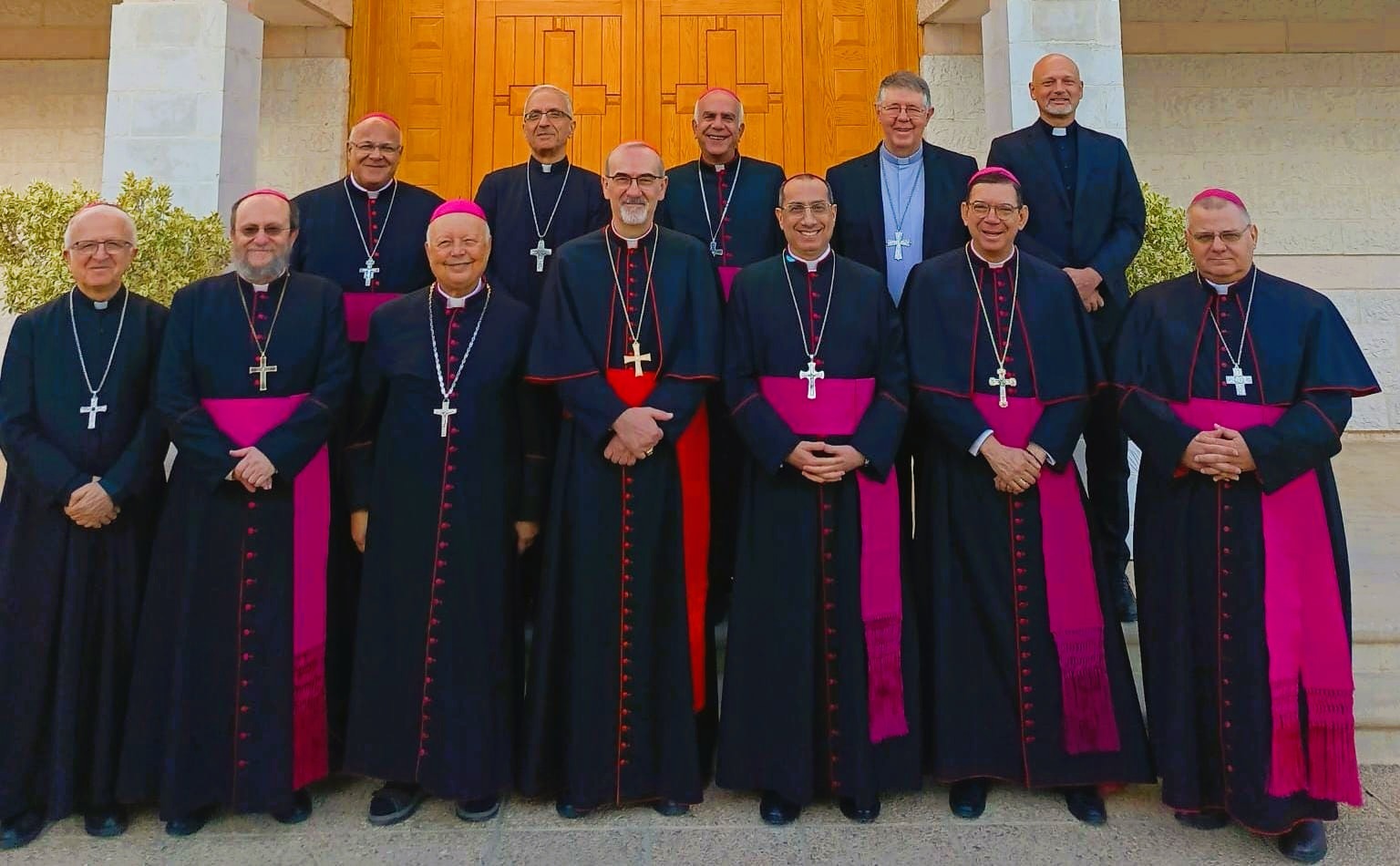 Meeting of Latin Bishops Conference