


Jerusalem Hosts Interfaith March for Human Rights and Peace
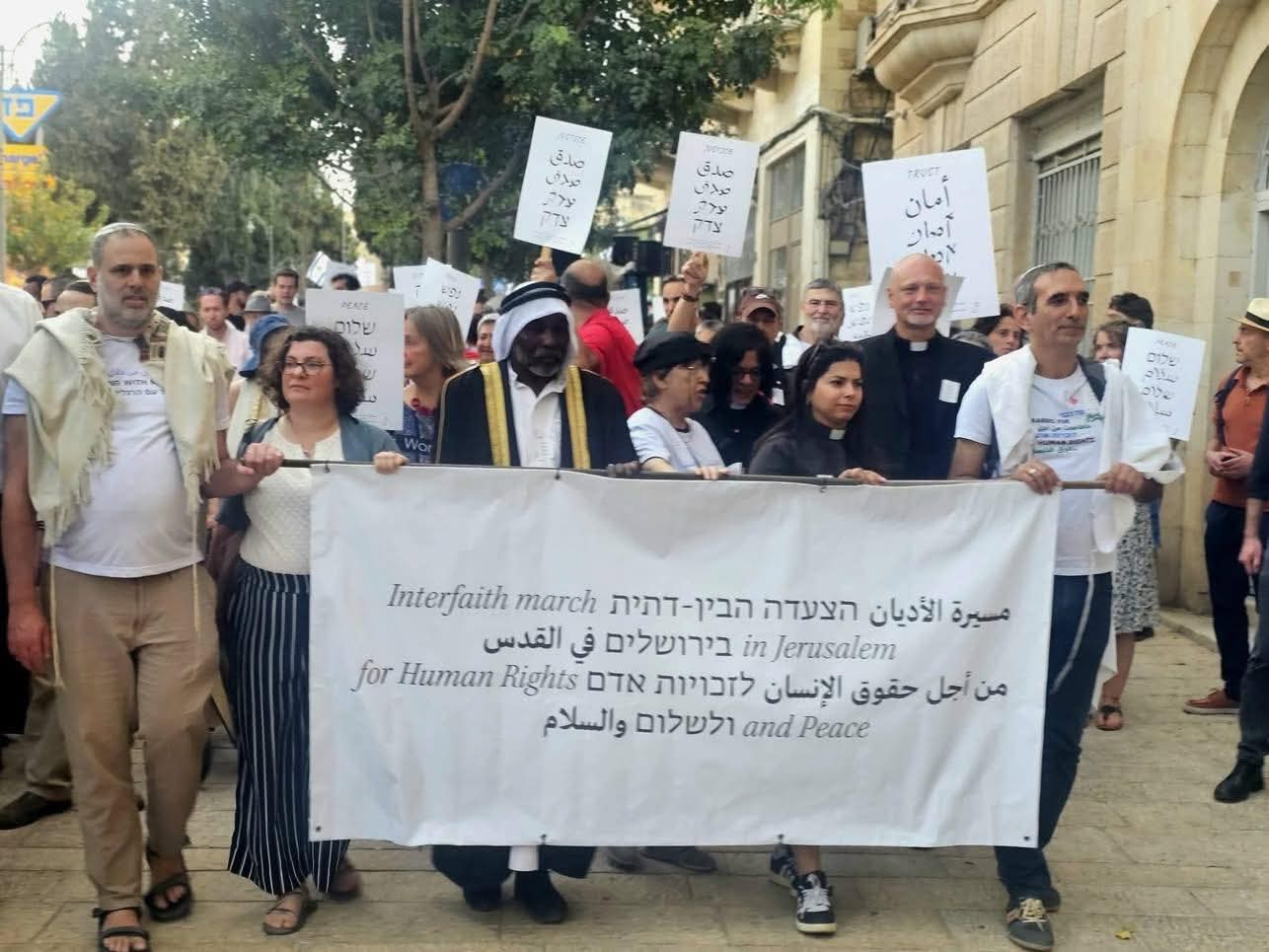
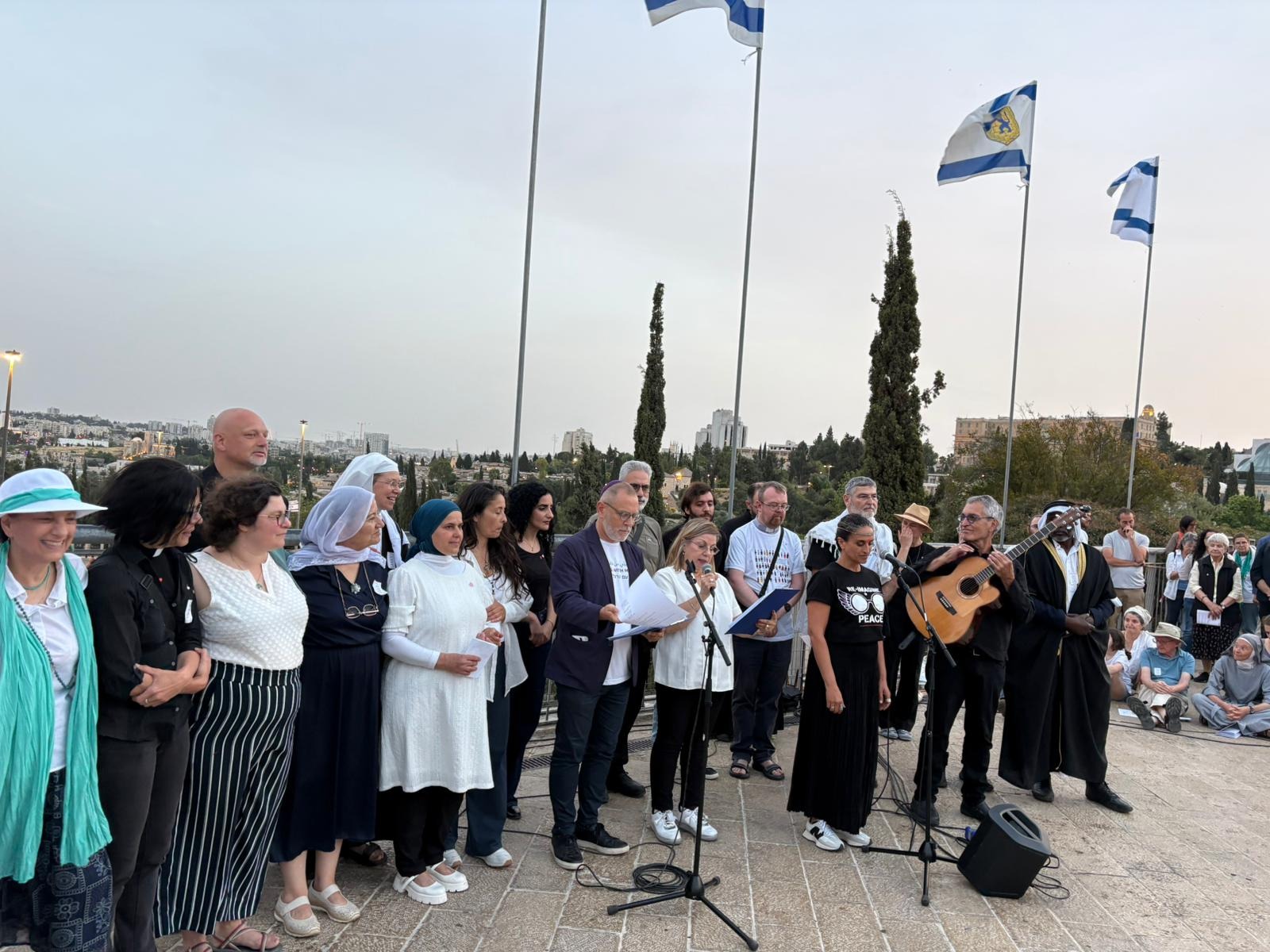
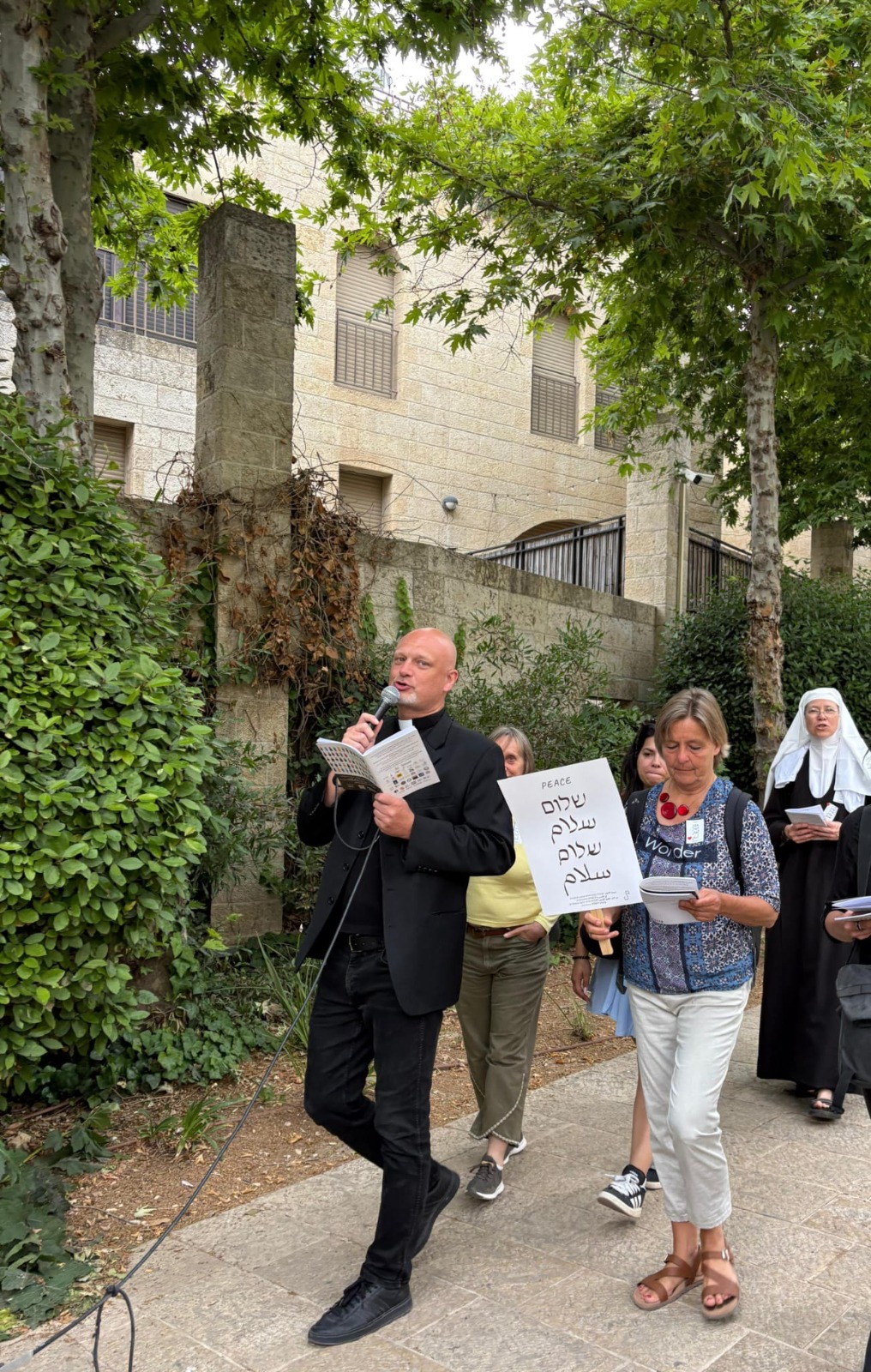
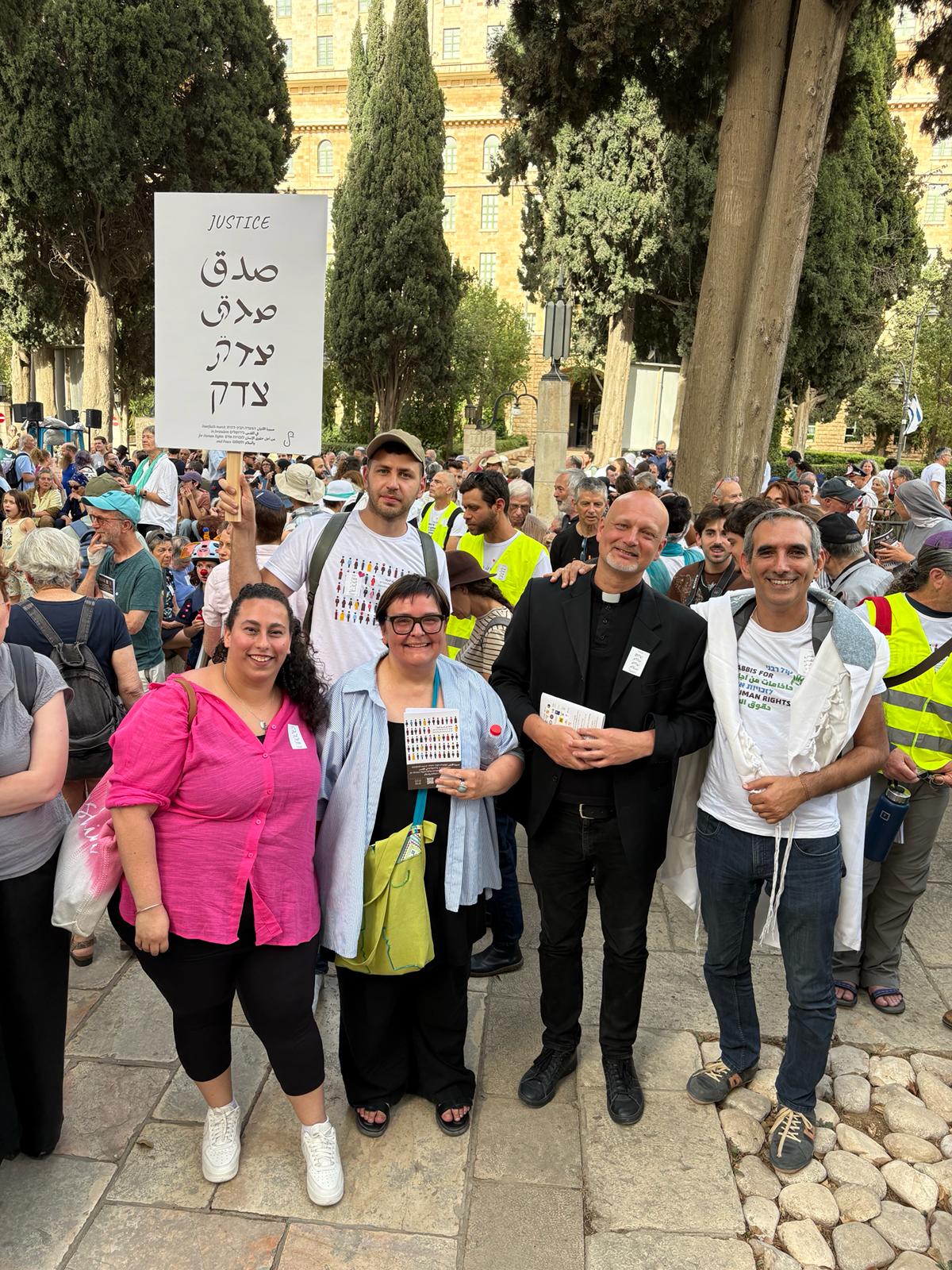
Jerusalem - Religious leaders, believers and activists from different faith traditions and national backgrounds gathered in Jerusalem (on Monday, May 18th) for the annual Interfaith March for Human Rights and Peace, a public witness in support of peace, equality, reconciliation and mutual respect in the Holy City.
Organized by the Interfaith Forum for Human Rights together with partners from various communities, the event brought participants together for interreligious prayers, a solidarity walk with victims of violence, and a joint ceremony near the walls of the Old City.
Among the Christian groups taking part were members of the St. James Vicariate for Hebrew Speaking Catholics in Israel, accompanied by Fr. Piotr Zelazko, Patriarchal Vicar for Hebrew Speaking Catholics in Israel. Their presence reflected the Vicariate’s longstanding commitment to dialogue, coexistence and bridge-building within Israeli society and among the diverse communities of the Holy Land.
In a video message to participants, Cardinal Pierbattista Pizzaballa said that, at a time marked by growing division, it is important to show that Jerusalem is not only a place of separation, but also a city where people can still act together for peace and human dignity.
Organizers said the march has become more than a yearly event, serving as an ongoing space for encounter and common initiatives throughout the year. These include solidarity actions and educational meetings aimed at strengthening coexistence and respect for the dignity of every human person. They also described the appeal for peace as a profound spiritual imperative, stressing the special responsibility of religious leaders to ensure that such a message is heard.
For the St. James Vicariate, whose communities are deeply rooted in Hebrew-speaking Israeli society while bringing together faithful from different cultural and national backgrounds, the march offered a visible testimony that believers can walk together despite differences and tensions.
Fr. Piotr Zelazko underlined the ethical foundation of the initiative, saying that human rights are not negotiable, but rather the foundation of peace, and that coexistence is not naïve, but necessary.
The initiative seeks to offer what organizers called a “spiritual and moral alternative” to events often marked by division and exclusion, raising another voice from Jerusalem – one that calls for reconciliation and shared responsibility.
Among those addressing the gathering was Rabbi David Rosen, who stressed the importance of giving voice to hope and peace amid widespread suffering and despair. He noted the need for Christians, Muslims and Druze present at the event to hear the support of many Jews for the dignity of every human being, created in the image of God, and for the possibility of living together in peace and dignity in the land.
Participants described the gathering as a visible sign that coexistence remains possible in Jerusalem despite continued tensions and pain. Mrs. Khawla Altouri, a Muslim leader and social worker said she stood there in the conviction that human beings are called to be a source of mercy and peace, and that the sanctity of life begins when people look upon one another with hearts filled with love and humanity.
For his part, Fr. Louis-Marie Coudray, Prior of the Benedictine Abbey of Abu Gosh, reflected on Jerusalem’s unique vocation and on the shared responsibility of all who live in the city. He said that no one can claim a monopoly over Jerusalem and that peace begins when each person accepts and respects the other.
The march through Jerusalem thus became both a prayer and a public testimony: a reminder that, amid conflict and polarization, many voices in the Holy City continue to call for dialogue instead of hatred, encounter instead of fear, and reconciliation instead of exclusion.
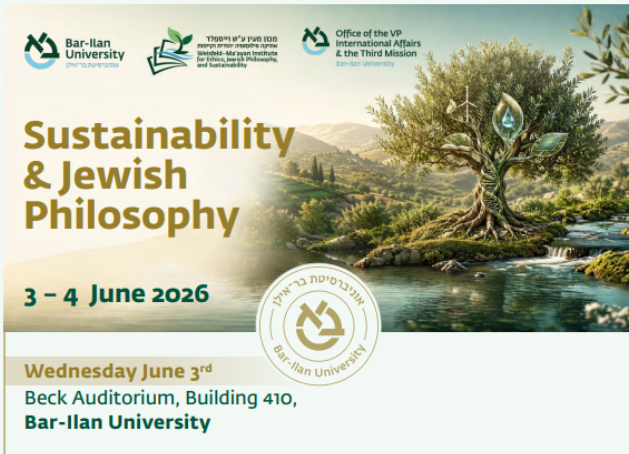 Sustainability and Jewish Philosophy
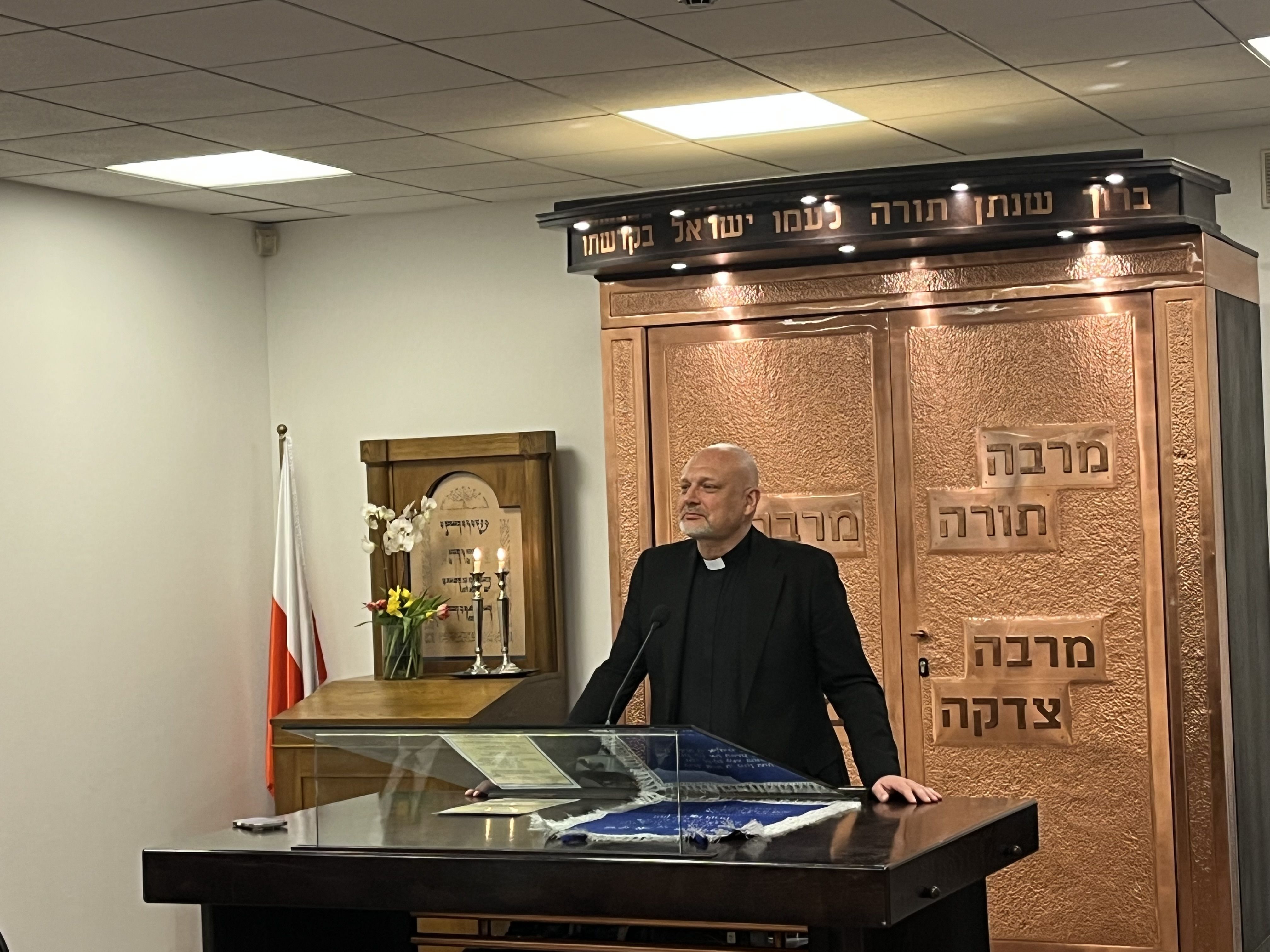 Fr. Piotr Żelazko Named “Man of Reconciliation 2026”
 Nostra Aetate at 60: A Two‑Day Catholic-Jewish Encounter in Jerusalem
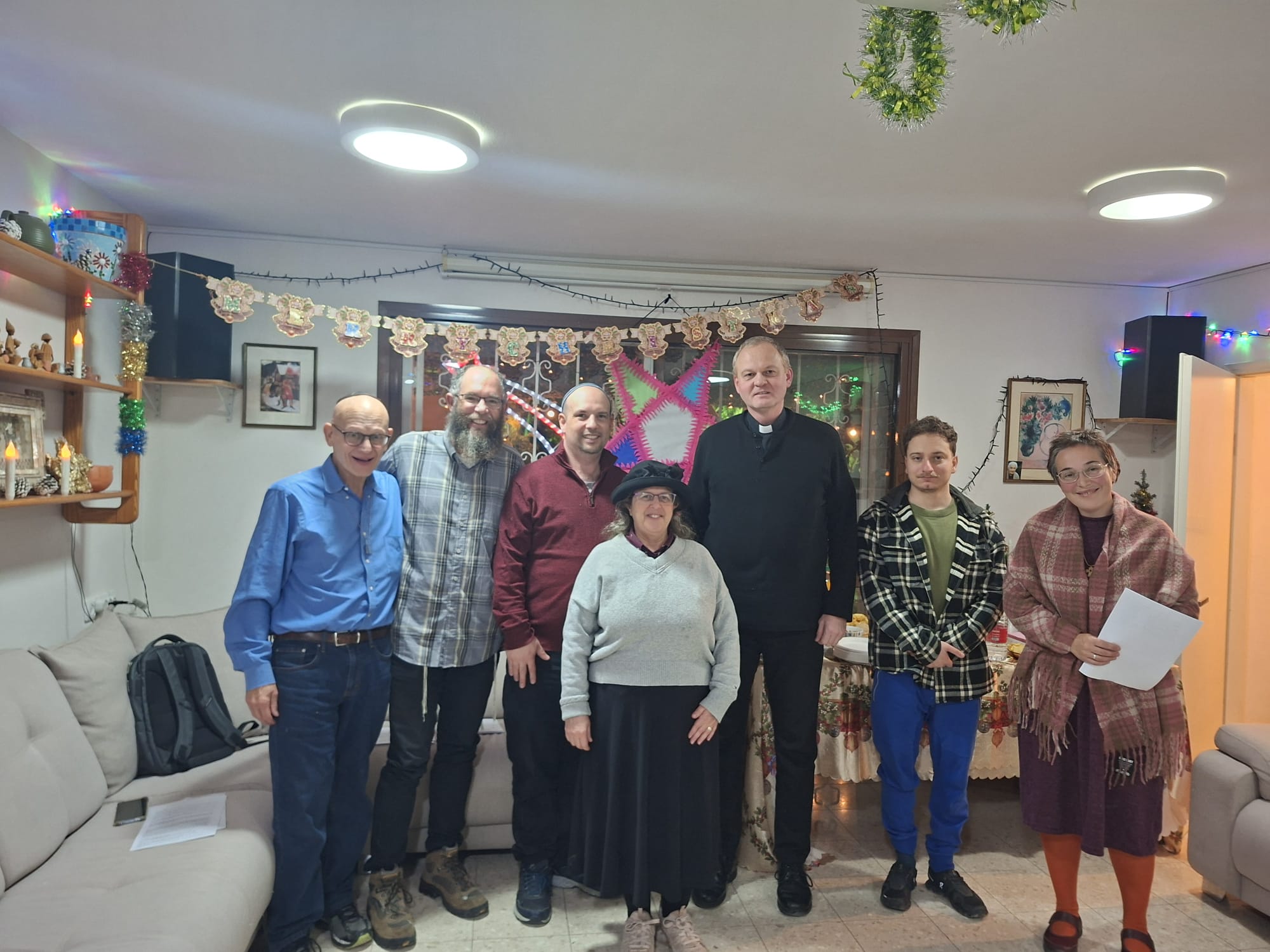 Interfaith Initiative in the Negev - Study Meeting in Beer Sheva
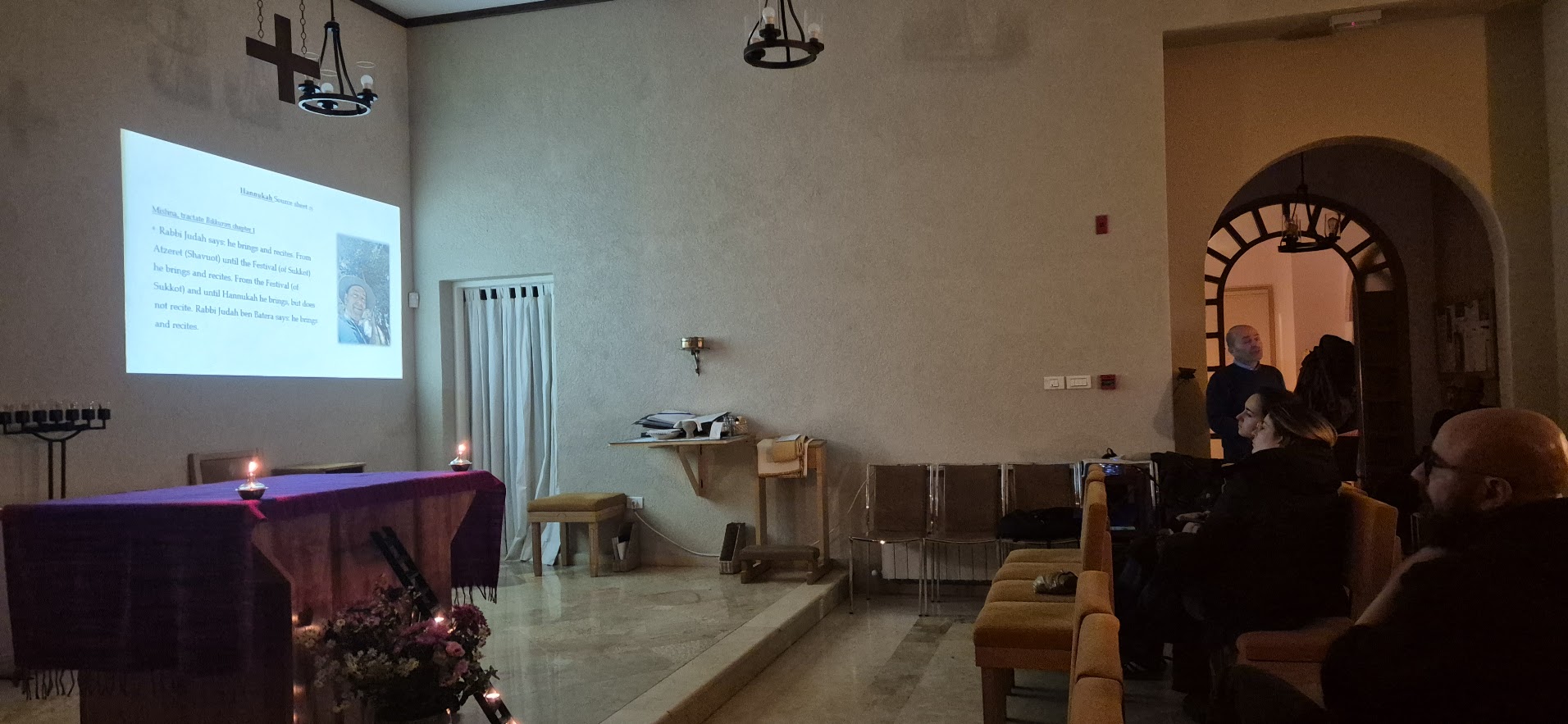 Hannukah Explanation Evening
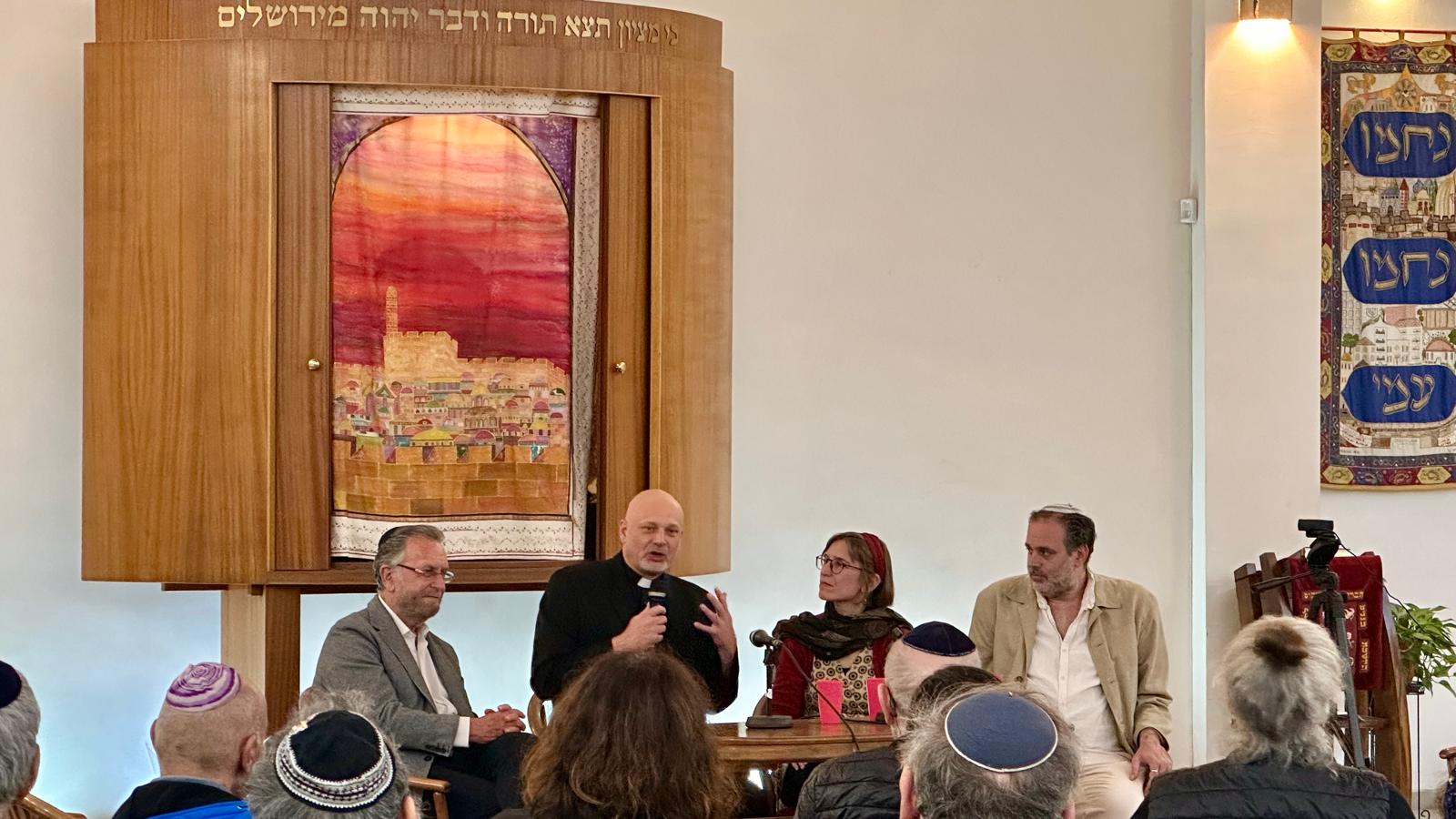 Panel Discussion in Moreshet Avraham Synagogue
 A Call to Renew Dialogue and Hope