




The Synod and us
During his visit to Cyprus, H.H. the Pope handed the Instrumentum laboris for the upcoming Synod for the Catholic Church in the Middle East, which will take place in October 2010 in Rome to the patriarchs and bishops gathered there.
The Synod will focus in particular on the reality of Catholics living in Middle Eastern society, mainly in societies where Islam is the dominant religion. The countries covered by the Synod include the Arab countries (excluding the countries of the Maghreb), Turkey and Iran as well as Israel (part of the Latin Patriarchate of Jerusalem and in which most Catholics are indeed Arabic speakers). One of the major issues will be the relations among the different Catholic rites in these countries.
It is important to note however that there is much in the defining document, the Instrumentum laboris, that is of great interest to Hebrew speaking Catholics too. First and foremost, the important paragraphs on the dialogue with Jews and Judaism that attempt to contextualize the universal teaching of the Catholic Church with respect to Jews and Judaism for the Catholic Church in the Middle East, where most Christians live as part of an Arab world. The context of the Arab-Israeli and Palestinian-Israeli conflict makes relations between Christians and Jews in this part of the world problematic. It is all the more remarkable that in ten carefully phrased paragraphs the Instrumentum laboris outlines the dialogue between Jews and Catholics (nos. 85-94).
Paragraph 85 states: “The subject of the relations of the Catholic Church with Judaism, whose theological basis is found in the Second Vatican Council, must be part of the discussion at the synodal assembly. The Church’s relations with non-Christian religions are specifically treated in the Declaration Nostra aetate, a major portion of which is dedicated to the People of Abraham’s Stock. This important document reassesses the greatness of the shared spiritual patrimony, uniting Christians and Jews, and promotes mutual understanding and respect, through biblical and theological studies as well as fraternal dialogue.” However, the document does not hide the difficulties particularly the problems that emerge due to the political conflict between Israel and her Arab neighbors.
What is noteworthy in this context is that the Instrumentum laboris names the Vicariate for Hebrew Speaking Catholics as an important instrument of the Church in this domain: “Every Jewish reality today can provide opportunities for collaboration. For this reason, the Patriarchal Vicariate for Hebrew speaking Christians is of great assistance” (no. 94).
In addition, the Instrumentum laboris does refer to our reality in a number of places. Perhaps most importantly, in paragraph 83, it states: “although the Jewish civil media shows a certain openness towards Christian topics, Hebrew-language programs are scarcely available in the Christian media. Consequently, Hebrew-speaking Christians need to be formed to become involved in such programming in the media”.
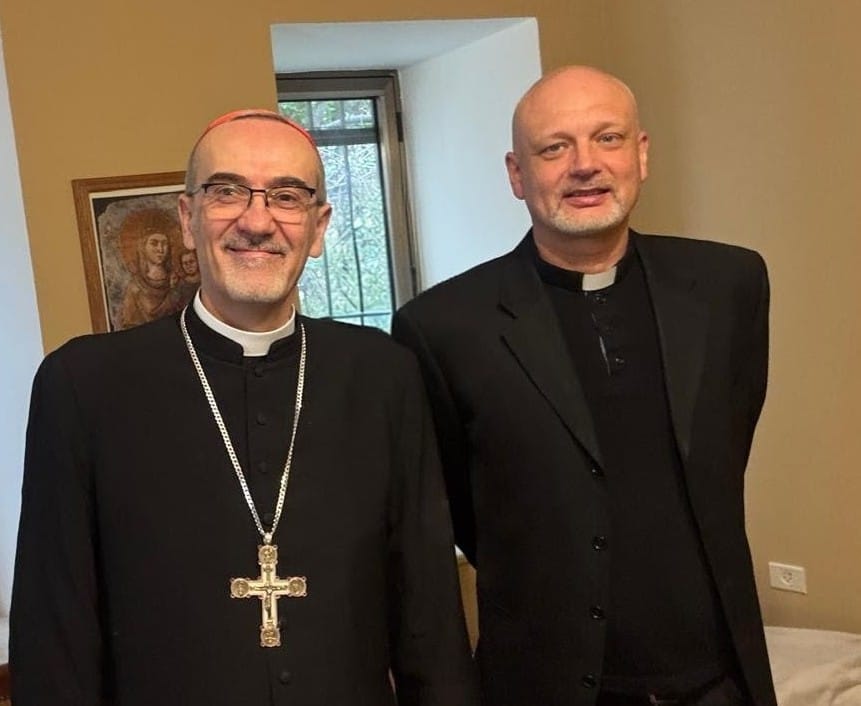 Cardinal Pizzaballa: Abusing God’s Name for War is the Gravest Sin
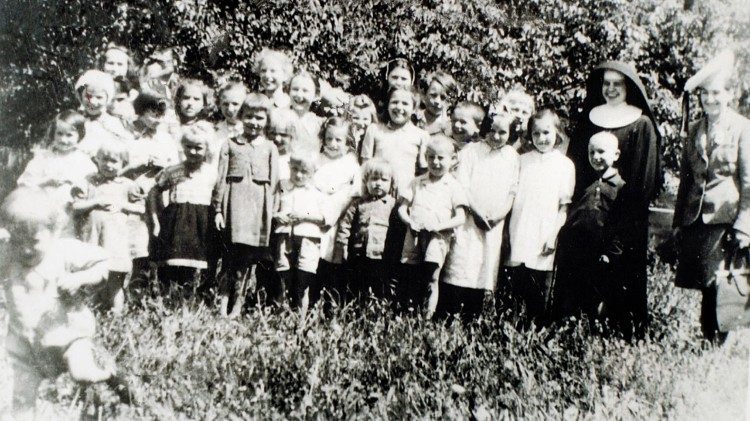 Commemorating Thousands of Polish Religious Sisters who Rescued Jews During WW2
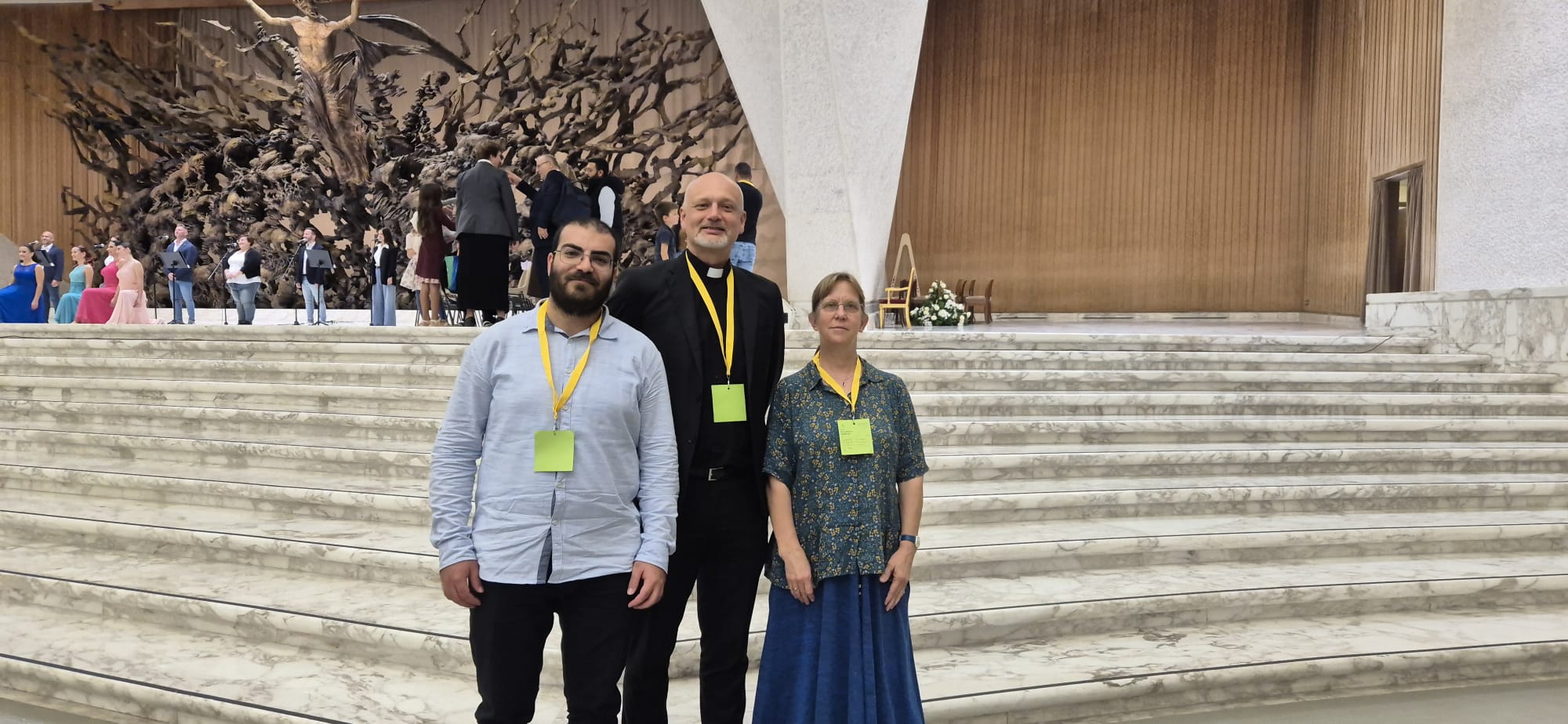 Jubilee of Synodal Teams
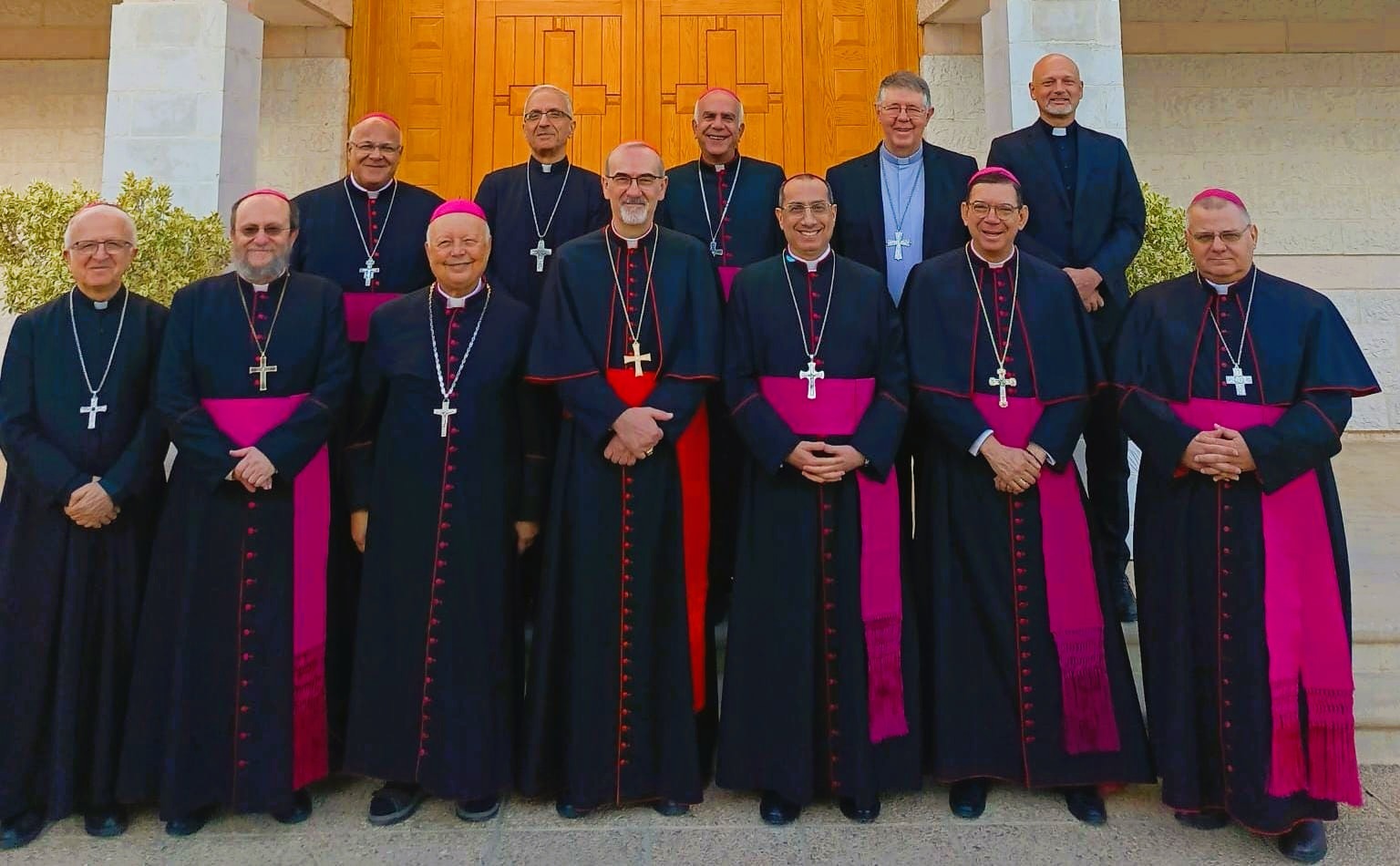 Meeting of Latin Bishops Conference
 Pope Leo in "Dilexi Te": Faith Cannot be Separated from Love for the Poor
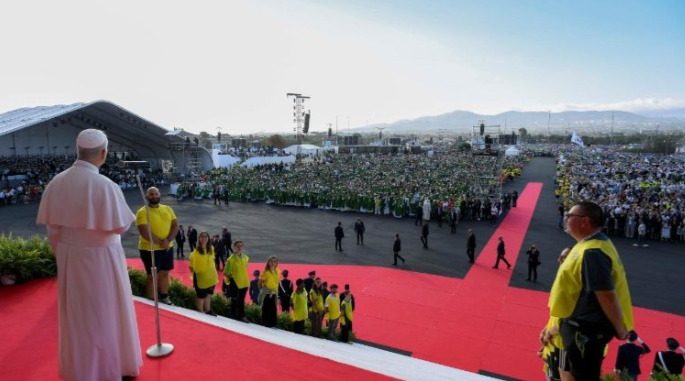 Pope at Youth Mass: The Lord is gently knocking at the window of your soul
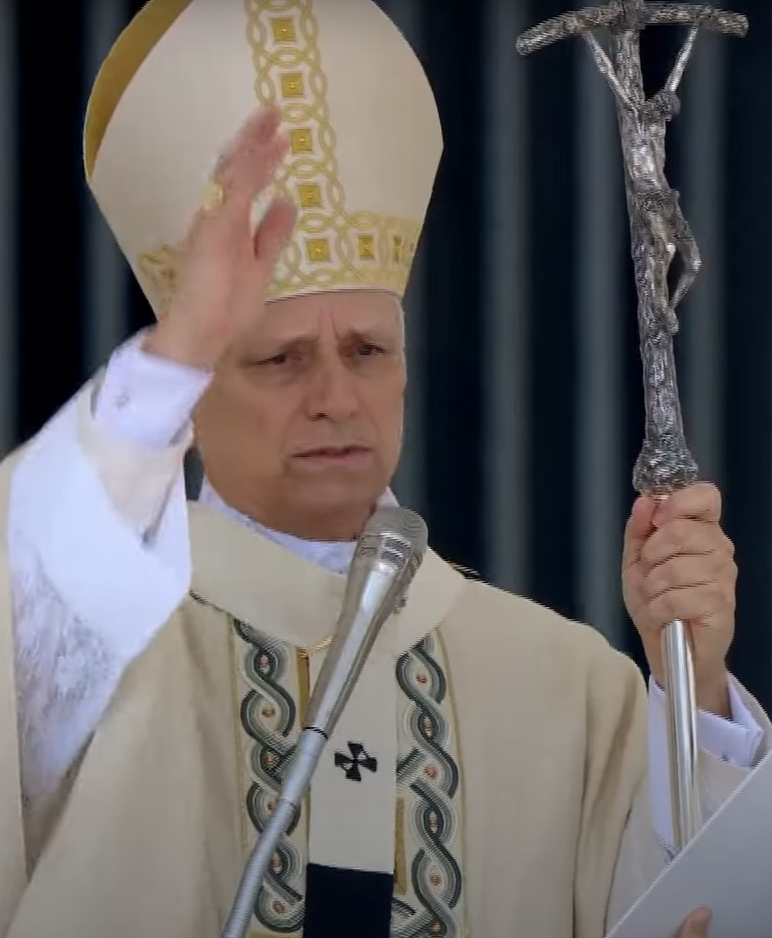 Inauguration Mass of Pope Leo XIV