



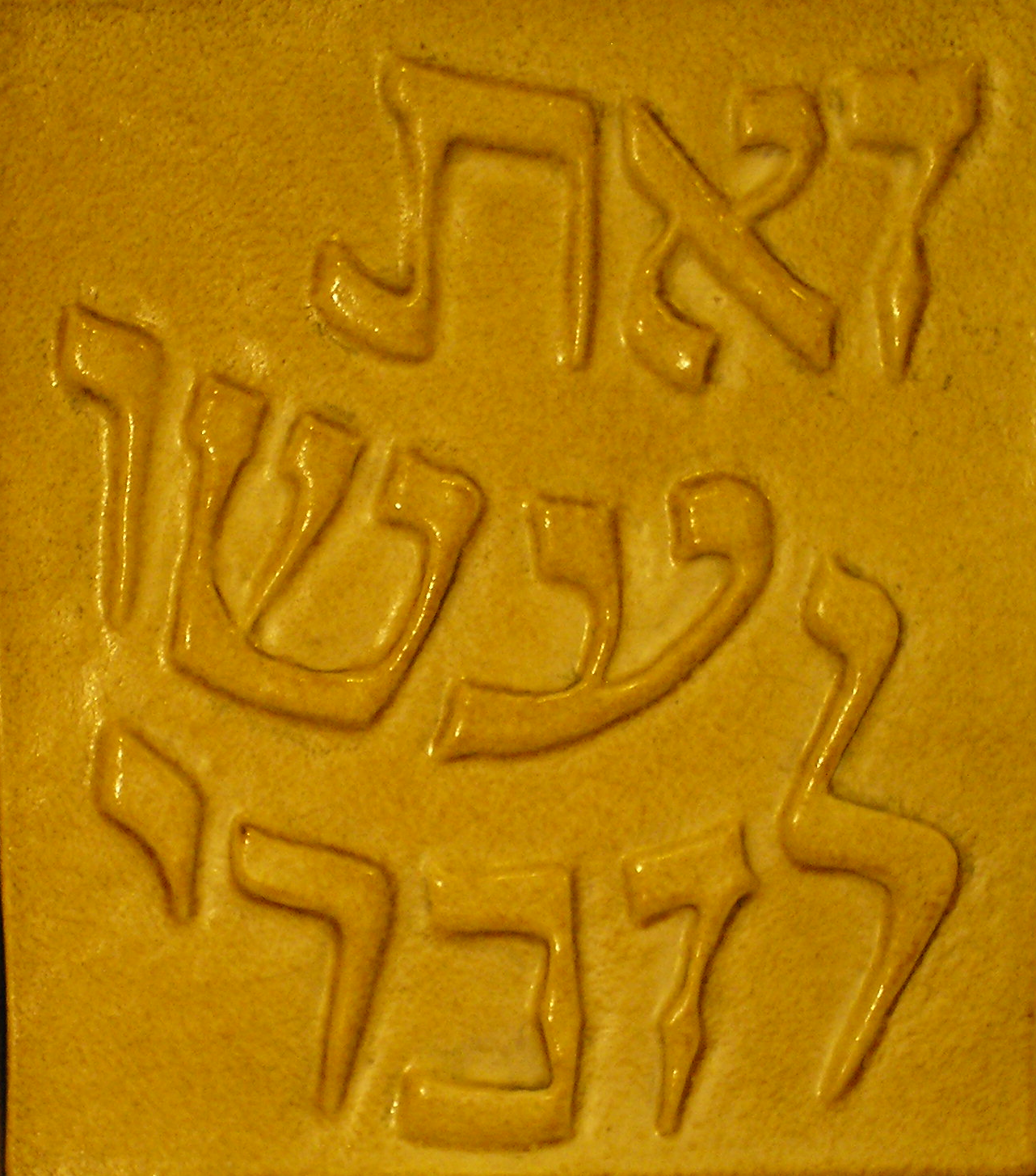

Ziv: Parashat Vaera
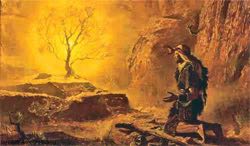
A holy land…
The previous paracha - “shemot” - end in an atmosphere of deep grief, fear and doubt. Moses tells God: “O LORD, why have you mistreated this people? Why did you ever send me? Since I first came to Pharaoh to speak in your name, he has mistreated this people, and you have done nothing at all to deliver your people.” (Ex 5:22-23). Moses, who is always attached to the divine name, reminds God that it is “in His name” that he has spoken to Pharaoh, and that in spite of this, the latter has continued to mistreat the people - effectively questioning the authority of the divine name. Moses poses two questions to which God shall answer in our paracha, the first is: “why has God mistreated His people” and the second: “why has God sent Moses”.
God answers the second question first, because He needs to establish Moses in his role before He can answer the second question - and He begins with His name. What God reveals to Moses is that he is a messenger in a very unique role - a role which no one has since creation. In fact, more deeply, He tells Moses that he is a new creation, a new Adam, because he has a much more intimate relationship with God than the patriarchs: Abraham, Isaac and Jacob. He reveals to Moses that the name “I am who I am” (Ex 3,14) - the One who is, the eternal “to be” - was not known to the patriarchs: “I appeared to Abraham, Isaac, and Jacob as God Almighty, but by my name ‘The LORD’ I did not make myself known to them” (Ex 6:3). However, it is evident that the patriarchs did know the divine name - since they used it often in their dialogues with God. But they knew it only as a simple name - and not as an intimate relationship (which is the other sense of the Hebrew word “yada”). At the burning bush, God tells Moses: “Come no closer! Remove the sandals from your feet, for the place on which you are standing is holy ground.” (Ex 3:5) But this place, mount Horeb (Sinai) was holy only while God gave the law to Israel on it. Not before, nor after. As with Joshua to whom God said the very same thing (Js 5:15) when he was in Jericho, it is not the place itself that is holy, but more precisely, the earth on which the footprints of Joshua stand at the moment when God is revealed to them - because a savior of the people has received his mission there and has become an instrument of the divine will. The means that it is Moses, at the moment of his encounter with God and by his acceptance of his mission who, having received the divine revelation sanctifies the ground on which he stands. This is why he has to remove his sandals. In this also lies the answer to the first question: God has not mistreated His people. He has sent them a messenger, He has not forgotten His covenant and His promises. But it was necessary that Moses first cease to doubt, and he be strengthened and prepared - and for this time and trial are necessary. As Isaiah would say several centuries later: “How beautiful upon the mountains are the feet of the messenger who announces peace, who brings good news, who announces salvation, who says to Zion, “Your God reigns.” (Is 52:7). Shabbat Shalom.
 Message of Epiphany: The Light Will Conquer the Darkness
 Fr. Benedetto: With Jesus in the wilderness during Lent
 Fr. Benny towards Lent
 Psalm for Lent
 Reflecting on Purim and on Lent
 Rosh HaShana – the Feast of God the Father